 Home
Home  Contact
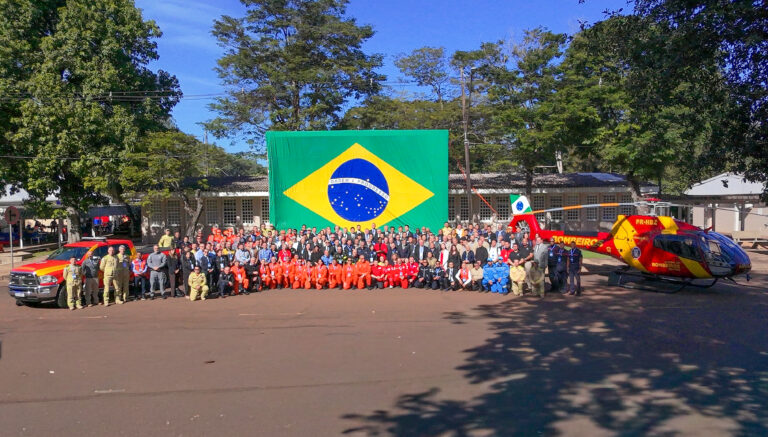
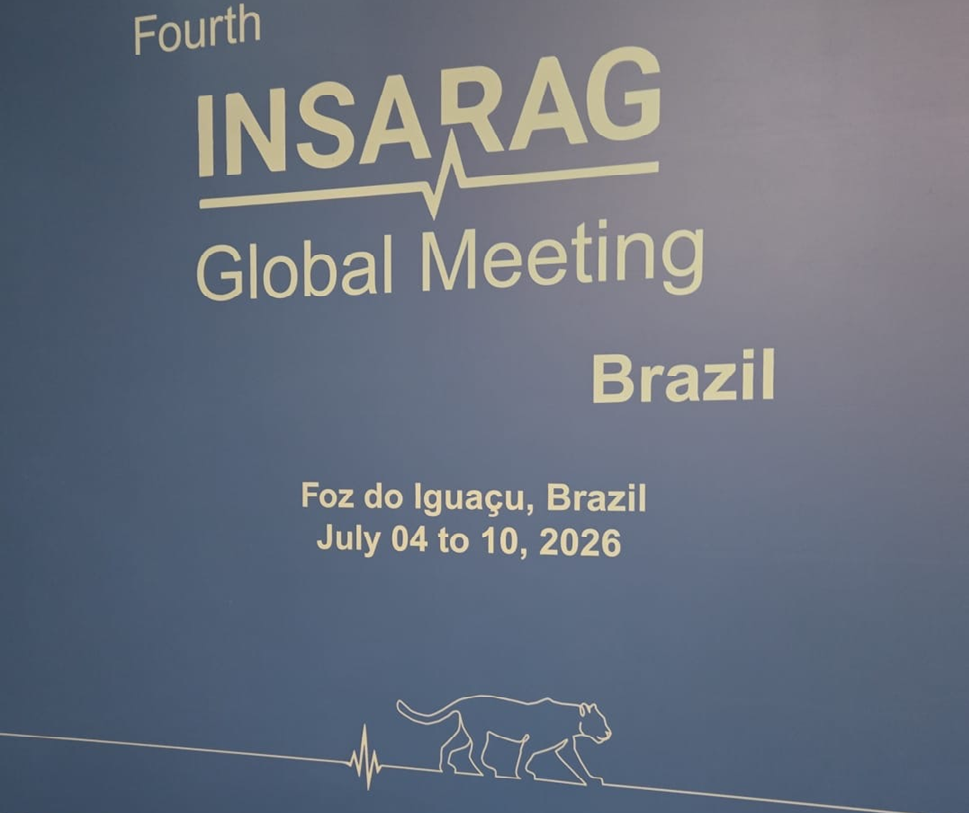
The Fourth INSARAG Global Meeting was held in Foz do Iguaçu, Brazil, from 4 to 10 July 2026 and brought together 368 participants from 41 countries and 18 organizations.
The event included the INSARAG Working Group Meetings (4-5 July), which allowed Working Groups to advance on their workplans; the Team Leaders Meeting (6-7 July), which discussed – amongst other themes – the new guidelines and ICMS 3.0; the three Regional Group Meetings (7-8 July), which identified regional priorities and implementation actions for the INSARAG Strategy 2026-2030; and the Fourth INSARAG Global Meeting (9-10 July), which marked the launch of the INSARAG Guidelines (2026) and the adoption of the Foz do Iguaçu Declaration.
The Foz do Iguaçu Declaration (attached) is a significant milestone that will guide the future direction of the INSARAG network. The Declaration endorses the INSARAG Strategy 2026-2030, calls for strengthened local and national response capacities, reaffirms commitment to General Assembly resolution 57/150, promotes innovation, partnerships, and flexibility in disaster response, and broadens INSARAG’s focus to a wider range of hazards and disaster contexts.
Foz do Iguaçu 2026 Declaration